Introduction.
Think back to the last advert that stuck in your mind. Chances are it wasn’t a product spec sheet or a neat list of features. It was a story. Maybe it made you laugh, cry, or feel inspired. That’s because stories reach us on a level facts rarely can.
In a world of constant noise and competing messages, storytelling has become one of the most effective tools in a marketer’s toolkit. Crucially, its effectiveness isn’t just down to creativity or culture. Neuroscience and psychology show that stories work because of how the human brain is wired.
The science: Why stories work in the brain.
Stories activate multiple systems in the brain, creating a stronger, more lasting imprint than facts alone.
Narrative Transportation
Psychologists describe “narrative transportation” as the process of being absorbed into a story. When this happens, critical resistance drops, and empathy increases. Audiences don’t just listen; they experience the story. This makes them more likely to adopt the perspectives and values it contains.
Oxytocin and Emotional Connection
Paul Zak’s work shows that emotionally engaging stories increase oxytocin levels. Oxytocin is often called the “trust hormone” because it helps us connect and empathise. When people feel emotionally engaged, they don’t just process the story – they care.
Neural Coupling
Neuroscientists have also found that when someone tells a story, the listener’s brain activity begins to mirror the storyteller’s. This phenomenon, called “neural coupling,” means stories literally synchronise minds, creating shared understanding.
Memory Encoding
Information presented as a list of facts only activates language-processing areas of the brain. A story, by contrast, lights up emotional centres, sensory regions, and motor areas. This richer activation creates durable memories. That’s why you may forget a campaign slogan but recall the brand that made you feel something.
Emotion as the driver of action.
Marketers often assume customers make rational decisions. In reality, behavioural science shows emotions dominate. We use feelings as mental shortcuts when making choices.
- Emotion creates memory – We remember what moves us.
- Memory influences preference – Brands we recall positively feel more trustworthy.
- Emotion shapes behaviour – Strong feelings increase motivation to act.
Daniel Kahneman’s work on System 1 and System 2 thinking reinforces this. Most decisions are fast, emotional, and instinctive (System 1), with rational thinking (System 2) arriving later to justify choices already made.
For marketers, the implication is clear: data alone doesn’t drive behaviour. Wrapped in an emotional story, it can.
Case examples: Storytelling in action.
Dove – The Self-Esteem Project
By telling real stories of women and girls facing body image struggles, Dove shifted from being a soap brand to a voice for body positivity. The campaign built empathy and long-term brand trust, demonstrating how authentic stories create cultural impact.

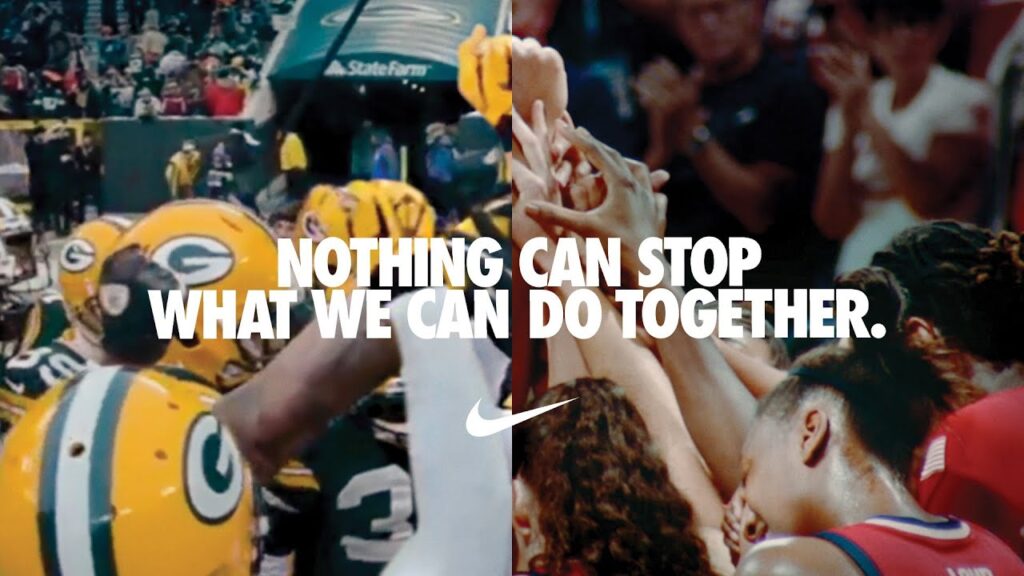
Nike – “You Can’t Stop Us”
Nike’s split-screen ad blended footage of athletes across sports, united by resilience and determination. The story wasn’t about footwear – it was about human strength. This r
einforced Nike’s “Hero” archetype and inspired viewers globally.
Charity: Water – Stories of Change
Instead of relying solely on data about water scarcity, Charity: Water shares stories of individuals and communities gaining access to clean water. These human-centred narratives generate empathy and increase donations.
John Lewis – Annual Christmas Campaigns
John Lewis has become synonymous with emotionally charged festive adverts. By telling simple, human stories – loneliness, friendship, or giving – the brand captures national attention, turning Christmas ads into a cultural event.

Small-scale Example – Local Cafés
Even small businesses can harness storytelling. A café sharing the story of its founder sourcing beans directly from farmers creates authenticity and trust. Customers connect with the human behind the brand, not just the product.
Application: How to use storytelling effectively.
Storytelling isn’t about spin. It’s about connection. To use it effectively, brands need both strategy and authenticity.
Start with purpose
Anchor stories in your brand mission and values. Audiences quickly sense when a story feels hollow. Purpose gives storytelling weight.
Use human voices
Feature real people – customers, employees, or community members. Authenticity resonates more than product claims.
Structure matters
Follow a classic arc:
- Beginning – set the scene.
- Conflict – introduce tension or challenge.
- Resolution – show change, progress, or transformation.
This rhythm mirrors how we naturally process narratives.
Blend fact with feeling
Use data to provide credibility, but weave it into human-centred stories. “One in three children lack clean water” is powerful; combined with the story of one child gaining access, it becomes unforgettable.
Be authentic
Audiences spot exaggeration quickly. Flaws, imperfections, and honesty can strengthen credibility.
Adapt for channels
Long-form video can build sweeping narratives, while short-form social content works better with micro-stories or single emotional moments.
Encourage participation
Invite audiences to co-create stories. User-generated content, testimonials, and community storytelling amplify impact and increase authenticity.